.png)
Demolish Old Buildings in Uganda: Demolition, Property Rights and the Question of Due Process
Government plans to demolish old buildings in Uganda. In this article we raise questions about property rights, building control, due process, demolition costs and compensation.
Government plans to begin identifying and demolishing old and allegedly unfit buildings along major streets, starting in Kampala before extending the exercise to other urban centres. State Minister for Lands, Housing and Urban Development Persis Namuganza has said owners of buildings considered unsuitable will be given an opportunity to renovate or demolish them, while government has also indicated that some owners without resources to redevelop may be able to sell their properties to the state.
The announcement raises an important distinction between an old building and an unsafe building. Uganda's building-control framework already gives Building Committees powers to deal with buildings that are in disrepair, dilapidated or dangerous. Section 40 of the Building Control Act, Cap. 136, provides that a Building Committee may, by written notice, order the owner of a building that is in a state of disrepair or dilapidation to demolish it or take remedial action, to a standard determined by the Committee. Where a building is dangerous or shows signs of becoming dangerous to life or property, the Committee may also issue a written notice requiring measures to address the danger.
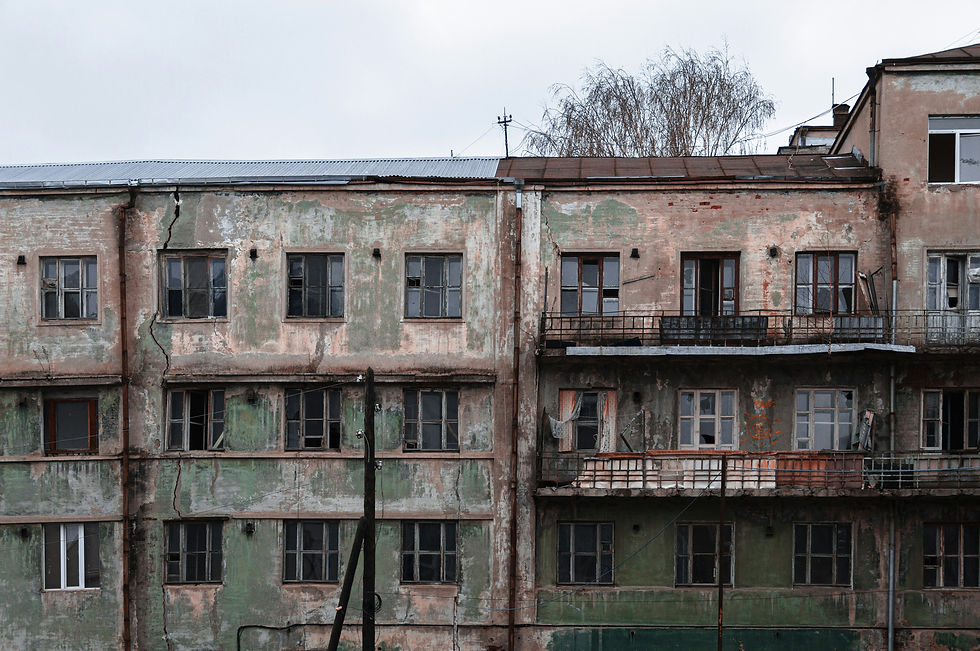
The National Building Review Board has subsequently clarified that the Building Control (Amendment) Act, 2026 is not a blanket demolition order. The Board says Section 40, alongside the amended framework, provides for remedial action as well as demolition where the relevant conditions are met.
That makes the proposed exercise less about whether government can ever order a building demolished and more about how such powers are exercised. What precisely constitutes a building that has “outlived its usefulness”? Who makes that determination, and on what technical evidence? What notice must an owner receive? What opportunity exists to remedy the problem or challenge the decision? Uganda's building-control regulations provide an appeals framework, including the right to appeal decisions of Building Committees to the National Building Review Board and, ultimately, to court.
There is also a less discussed public-finance question. If government undertakes or facilitates large-scale demolition, who pays for the work, removal of debris and disposal of demolition waste? And before a building comes down, is its residual value assessed? Older structures may contain recoverable steel, timber, roofing, doors, windows, fittings and other materials. How those materials are identified, valued, recovered or disposed of could become an important part of the exercise.
None of these questions argues against removing genuinely dangerous buildings. They point instead to the importance of a transparent process. If Kampala is to undergo significant redevelopment, the public interest lies not only in what eventually replaces its old buildings, but also in how decisions are made about which buildings come down, who bears the cost and how the process is protected against error, dispute or abuse.


