.png)
Kampala Faces Oversupply of Office Space in 2025
Updated: Aug 19
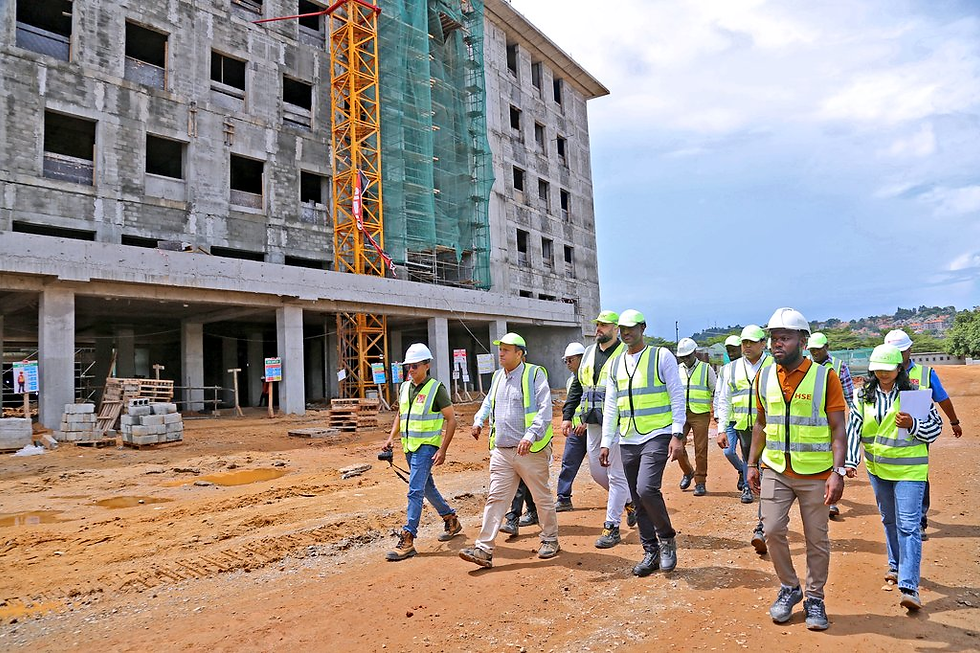
New high-rise office projects like Pension Towers and Chint are nearing completion amid already high vacancy rates.
Why it matters: Investors must rethink commercial property demand.
Updated: Aug 19
New high-rise office projects like Pension Towers and Chint are nearing completion amid already high vacancy rates.
Why it matters: Investors must rethink commercial property demand.
Top Stories